Phonics toys for toddlers and preschoolers, with ages and rough price ranges in the picks table. Compare letter sounds, blending, and early reading games.
Last updated
Phonics toys for toddlers and preschoolers work when the child can hear a sound, match it to a letter, and try blending those sounds into a short word. This guide compares a set of recommended picks, with ages and rough price ranges in the picks table. The set includes magnetic letters, sound-sorting games, sight-word practice, and later word-family kits.
Phonics is only one path into reading. Some toys on this page also support alphabet learning and reading and literacy more broadly. If a kit needs a tablet, that is called out. A toy that only sings the alphabet, with no chance to build a word, is a weaker phonics pick.
Compare and read in one place
As an Amazon Associate I earn from qualifying purchases. When you use a retailer link, we may earn a commission. It does not change what you pay.
Approx. price ranges: $ under $15 · $$ $15–30 · $$$ $30–60 · $$$$ $60+. Check today's price on Amazon.
LeapFrog · All ages
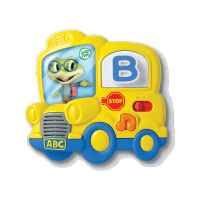
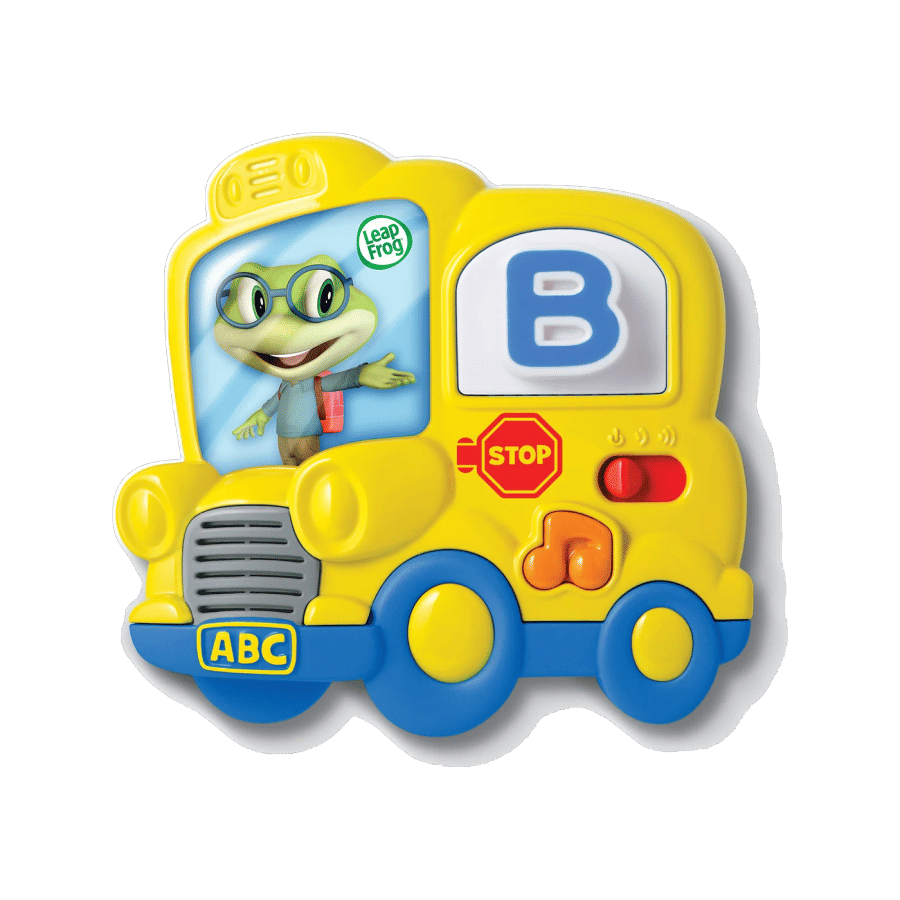
LeapFrog Fridge Phonics: a talking magnetic alphabet with 26 letter tiles that say the letter name, its sound and a song. Phonics on the fridge.
Approx. price range. Check today's price on Amazon.
LeapFrog · 1–4 yrs
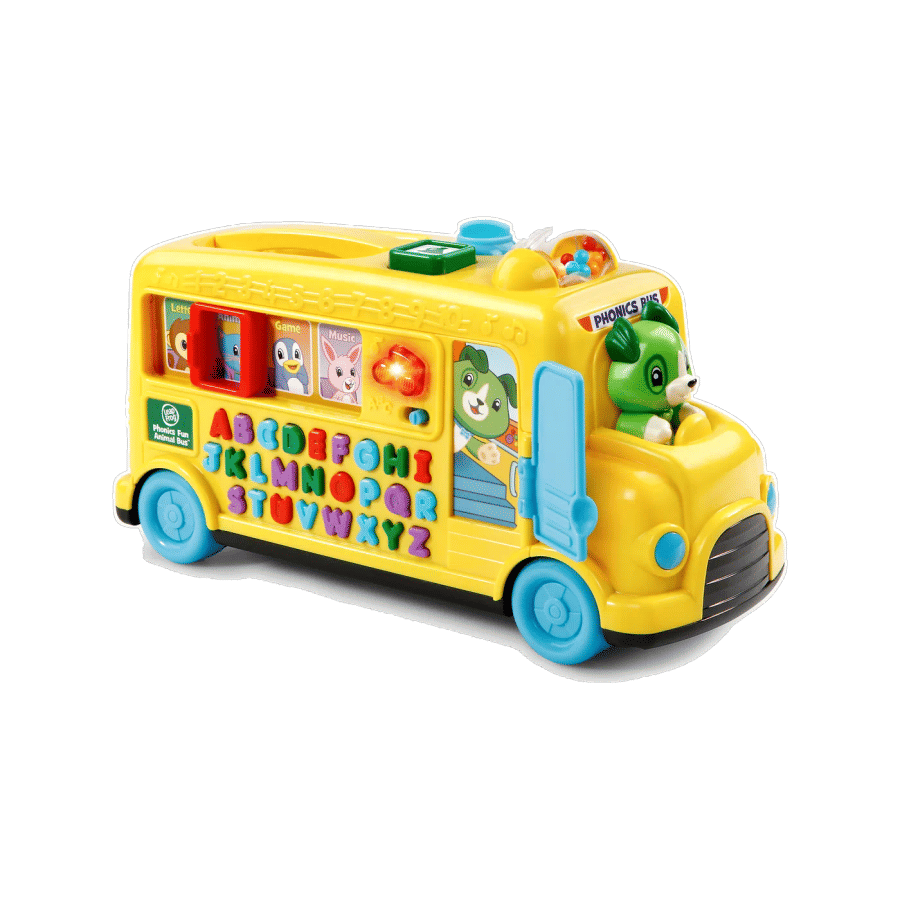
LeapFrog Phonics Fun Animal Bus: 26 letter buttons that say each letter's name and sound, plus an animal mode. Early phonics play for toddlers ages 1-4.
Approx. price range. Check today's price on Amazon.
Learning Resources · 3–10 yrs
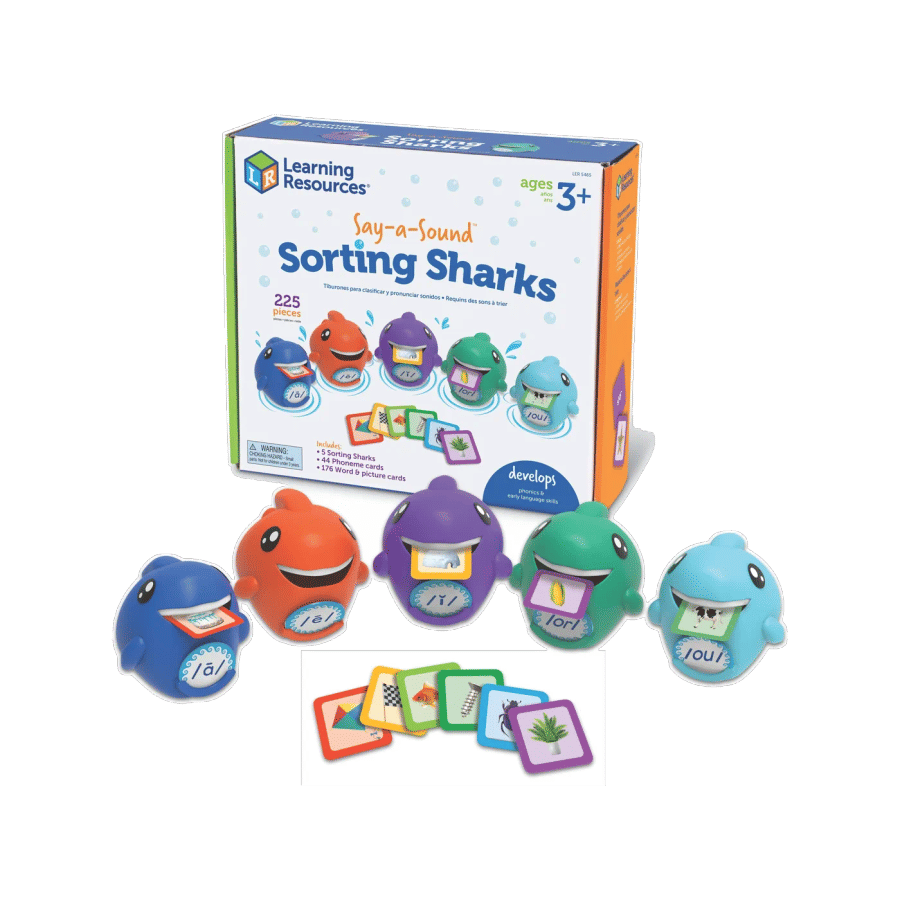
Say-a-Sound Sorting Sharks: sort picture cards into shark mouths by their starting sound. Playful phonemic awareness practice for kids ages 3 and up.
Approx. price range. Check today's price on Amazon.
ThinkFun · 4–10 yrs
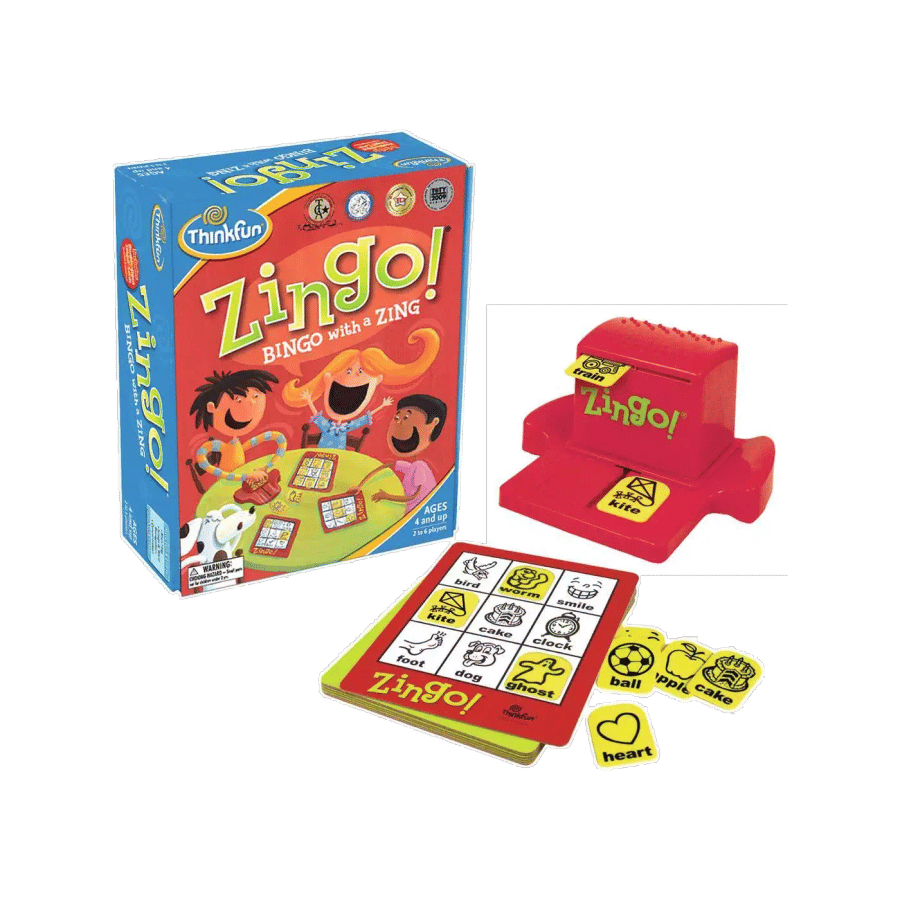
Zingo!: ThinkFun's bingo-style matching game where kids slide the Zinger to reveal picture-and-word tiles. Fast family fun for early readers 4 and up.
ThinkFun · 4–7 yrs
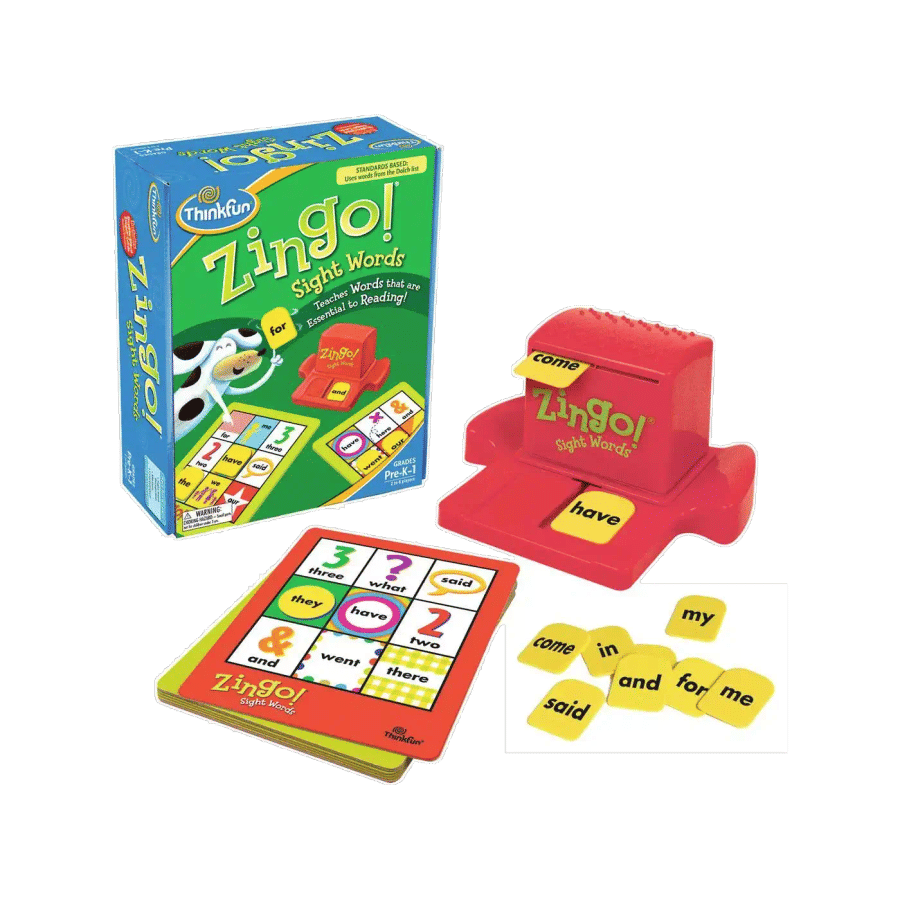
Zingo! Sight Words: the fast Zingo bingo format with 72 sight-word tiles and six double-sided cards. Fast sight-word practice for kids ages 4 to 7.
Melissa & Doug · 4–6 yrs
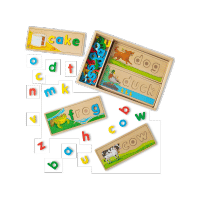
Melissa & Doug See & Spell: place wooden letters into 8 double-sided picture boards to spell matching words. A screen-free spelling puzzle for ages 4-6.
Osmo · 3–5 yrs
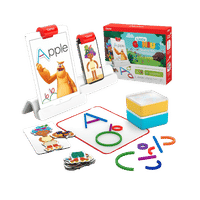
Osmo Little Genius Starter Kit teaches preschoolers phonics, creativity & problem solving with hands-on games that blend physical play and digital fun.
Approx. price range. Check today's price on Amazon.
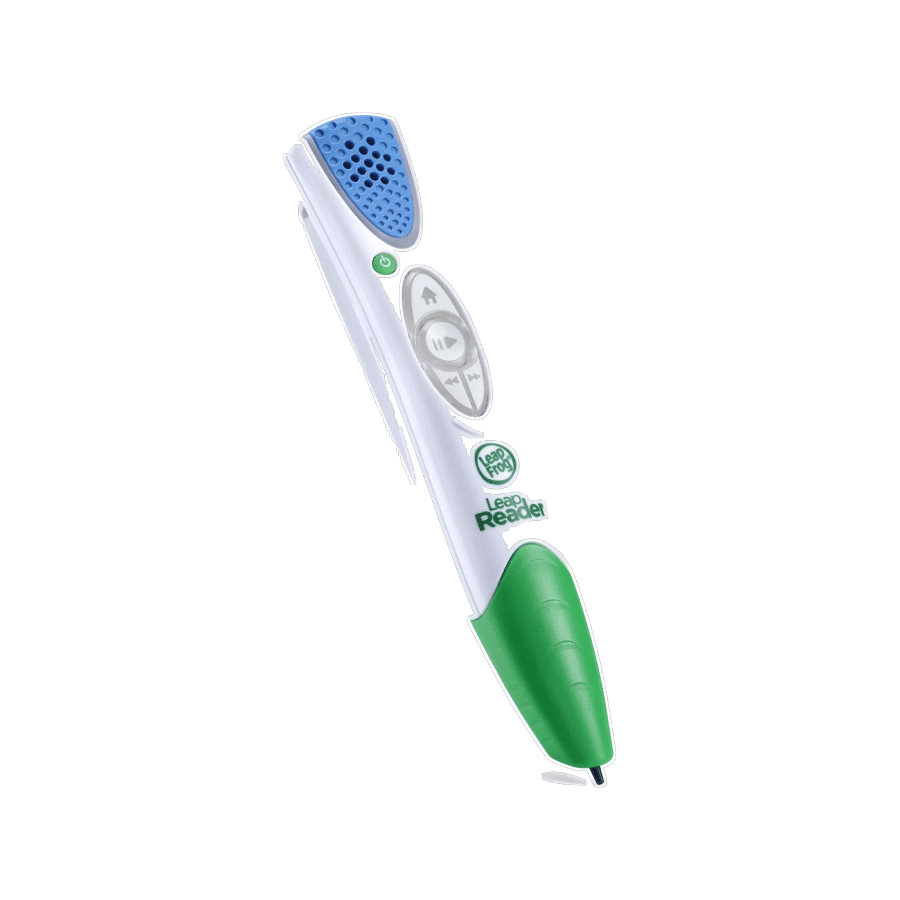
LeapReader Learn-to-Read Mega Pack: a reading pen and 10 interactive books on short vowels and sight words. Independent reading practice for kids ages 4-8.
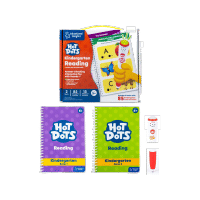
Hot Dots Kindergarten Reading Set: two workbooks and a talking pen with instant feedback. Screen-free letter, sight-word and phonics practice for ages 5-6.
Learning Resources · 6–10 yrs
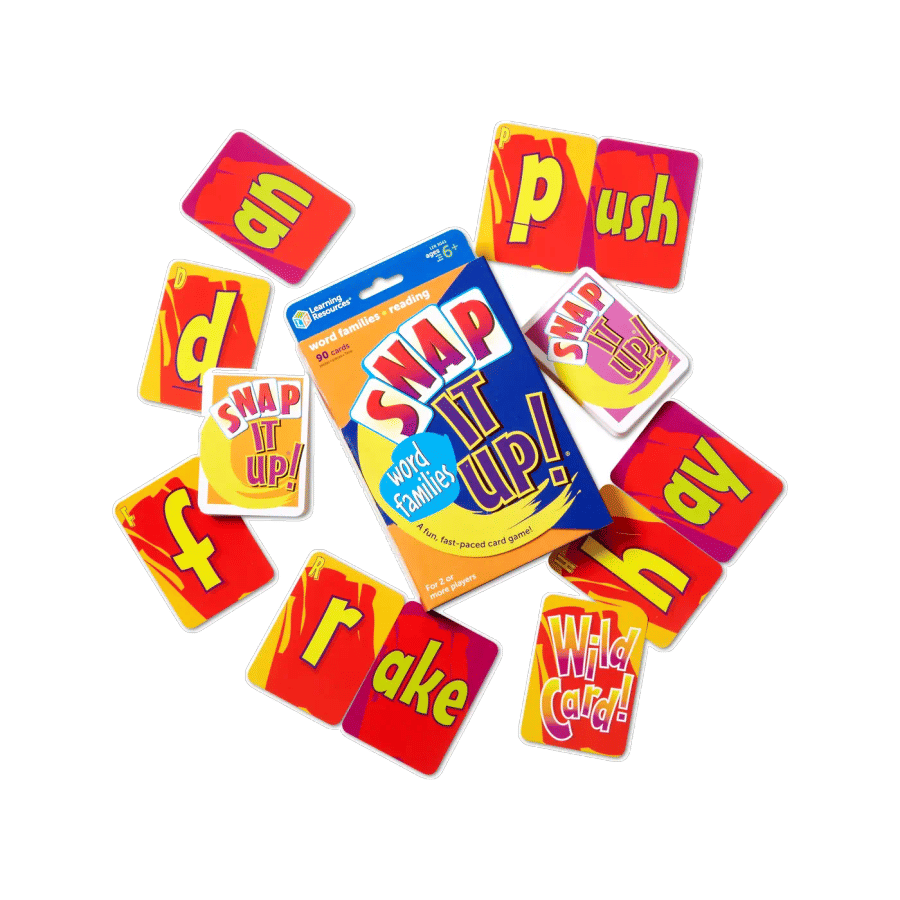
Snap It Up! Phonics Word Families: a fast card game where players race to build words from word-family endings. Low-pressure reading practice, ages 6-10.
Phonics Dominoes: Blends & Digraphs: match domino halves to build words with sounds like bl, st, ch and sh. Hands-on reading practice for kids ages 6-8.
The Fidget Game · 3–8 yrs
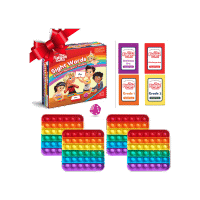
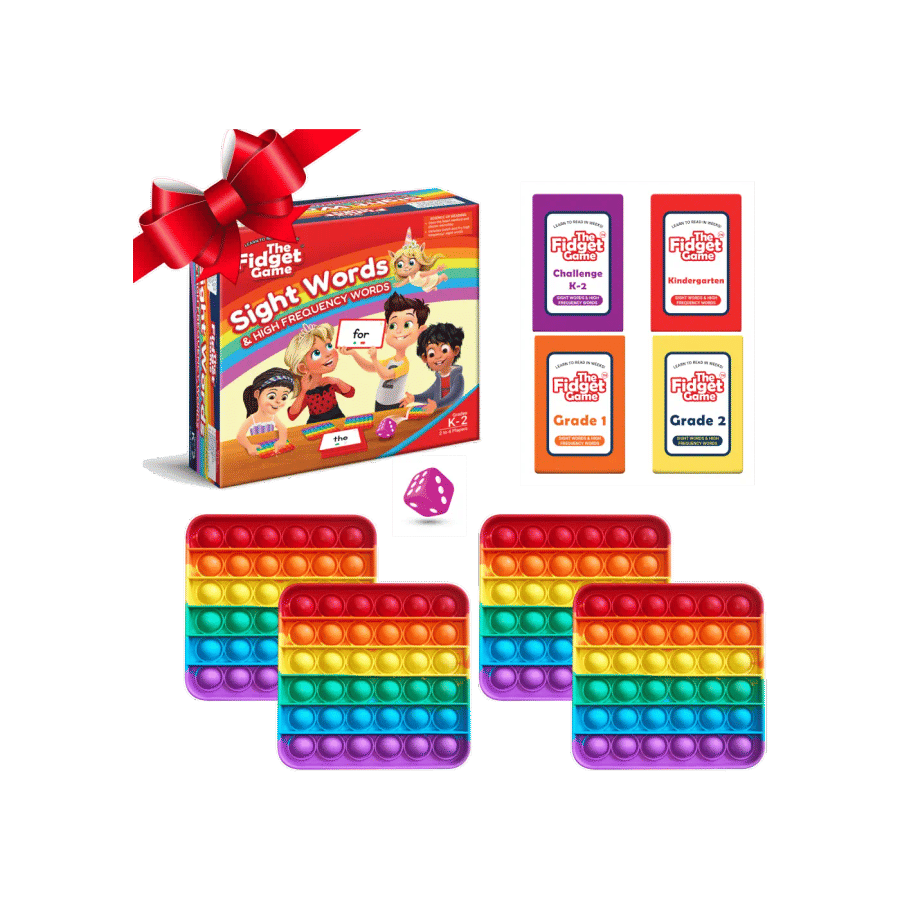
The Fidget Game Sight Words: read a sight word, then pop it on a pop-it board. Adds touch and movement to sight-word practice for kids ages 3-8.
Approx. price range. Check today's price on Amazon.
Match the toy to the skill the child is meeting now: letter sounds, blending, sight words, or word families. Buying a reader kit before the child enjoys sounds and letters often leaves the box on the shelf.
| Look for | Why it matters |
|---|---|
| Clear letter sounds | The child should hear and repeat sounds, not only song lyrics. |
| Pieces to move | Magnetic letters, tiles, cards, or a reader pen make the work physical. |
| A short first success | One sound, one short word, or one bingo-style round is enough to start. |
| Screen or no screen | An Osmo kit needs an iPad. Many letter sets and table games do not. |
| Room to grow | Word families and slightly longer games can wait until sounds feel easy. |
Some children like a noisy electronic letter set. Others do better with a quiet table game. Either can teach phonics if the child is still the one making the sounds and building the word.
Magnetic letter sets and simple sound toys belong here. Keep sessions very short. Name a sound, find the letter, and stop while it is still fun. You are building familiarity, not a reading lesson.
Sound-sorting games, bingo-style phonics or sight-word games, and wooden spelling sets fit well. An early tablet kit can work if the device is already in the house and you have tested it. Sit together for the first games so the child hears the sounds clearly.
Once letter sounds are familiar, move to a reading set, word-family games, or blends-and-digraphs practice. These still work as games if you keep the first round short. If the child is already reading connected text, you may need fewer toys and more actual books.
These are toys we chose from the catalog for phonics and close early-reading practice, not a lab ranking. The picks table is the recommended set. Toys that only decorate the alphabet, with no sound or word work, stay on their own pages.
Start with sounds and letters, then compare two rows in the picks table. Use the toy, then point out the same letter on a sign or in a book later, so the practice has somewhere to go. If the child is tired, stop.
Simple letter-sound toys, magnetic letters, and short matching or sorting games. Keep the first session to a few sounds. Save word-family kits and longer reading sets until letters are more familiar.
No. The alphabet is the letter names, often in order. Phonics is the sounds those letters make, and how those sounds join to make words. Many toys do a little of both. For this page, we favored toys that include the sounds and some blending or word play.
Not for most of these picks. The Osmo Little Genius starter kit needs an iPad. LeapFrog reader sets use their own pen and books. Always check the product row if you are unsure what device, if any, is required.
Say the sound clearly, and try again together if needed. Then move on. A tense quiz at the table makes the next session harder to start. The toy should still feel like play.
Keep exploring
Related guides, plus the brands and categories behind these picks.
 Baby Sensory Toys: 5 Picks for 0–12 Months
 Best Arts and Crafts Toys for Kids
 Best Building and Construction ToysBest Building Block Toys, 12 Picks by Age