Toys by age
Advanced STEM, makers, and deep strategy
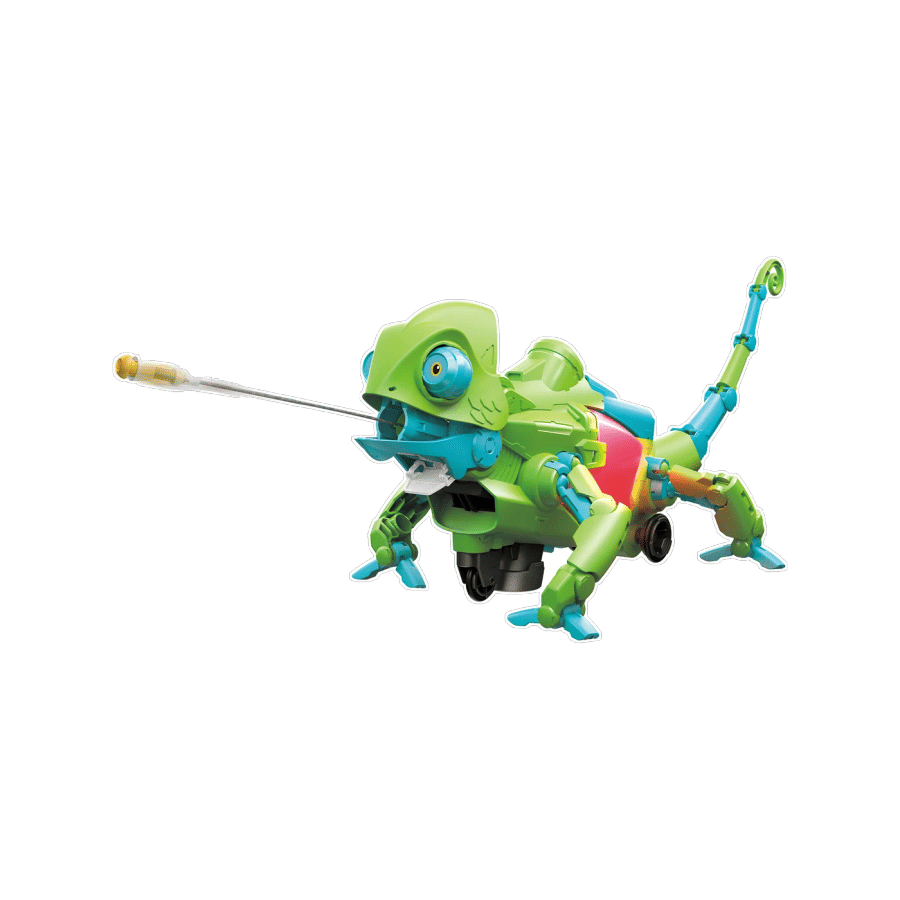
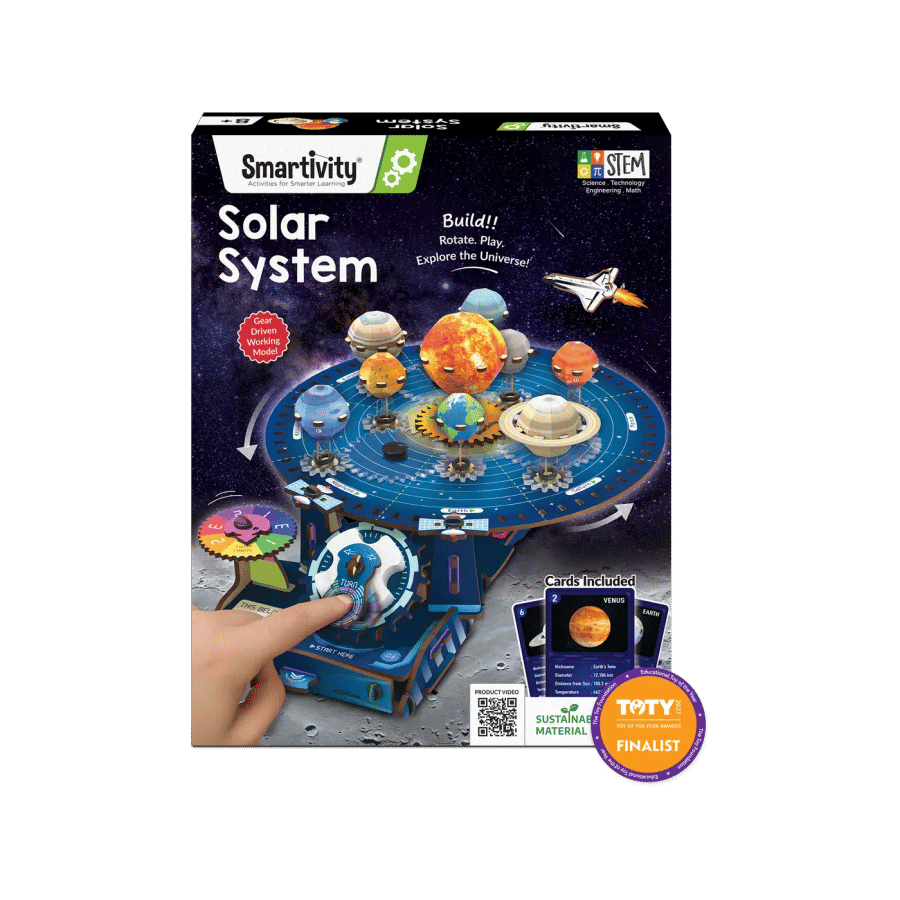
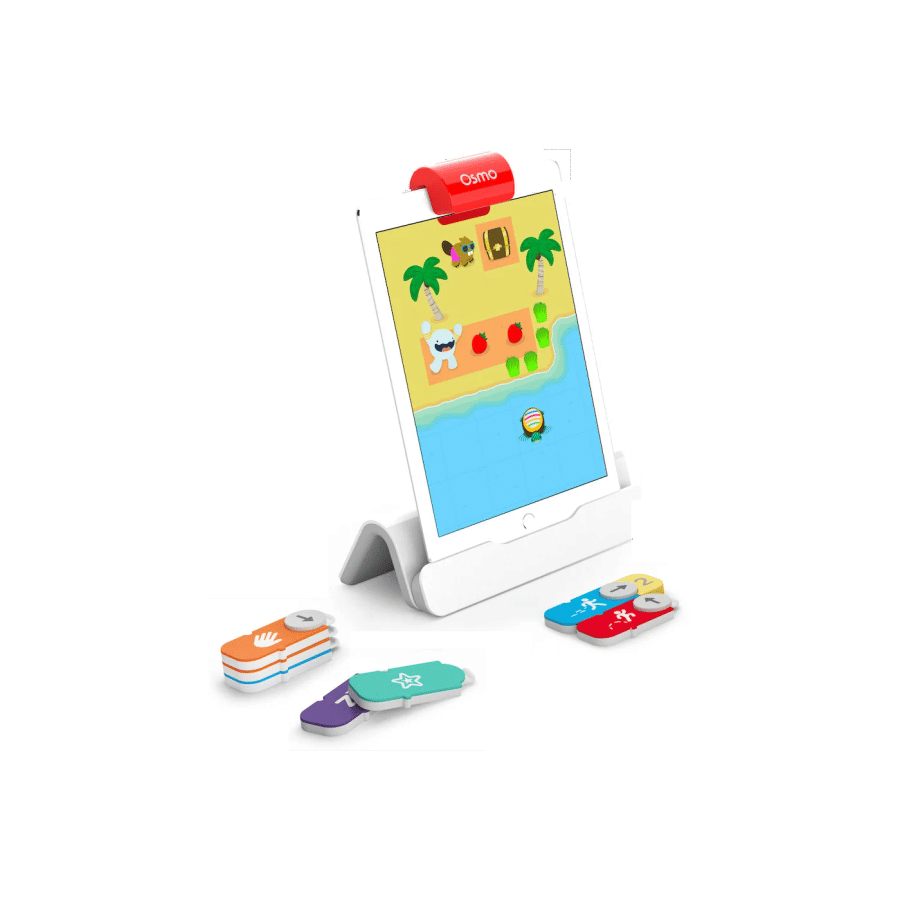
Educational toys for 8–12 year olds should look and feel like real tools or serious hobbies—not nursery aisle leftovers. Advanced robotics, chemistry or engineering kits, complex construction, and deep strategy games fit tweens who notice when something feels babyish. Autonomy matters: projects they drive with light adult help stick longer. Catalog picks for this band are below.
As an Amazon Associate I earn from qualifying purchases. When you use a retailer link, we may earn a commission. It does not change what you pay.
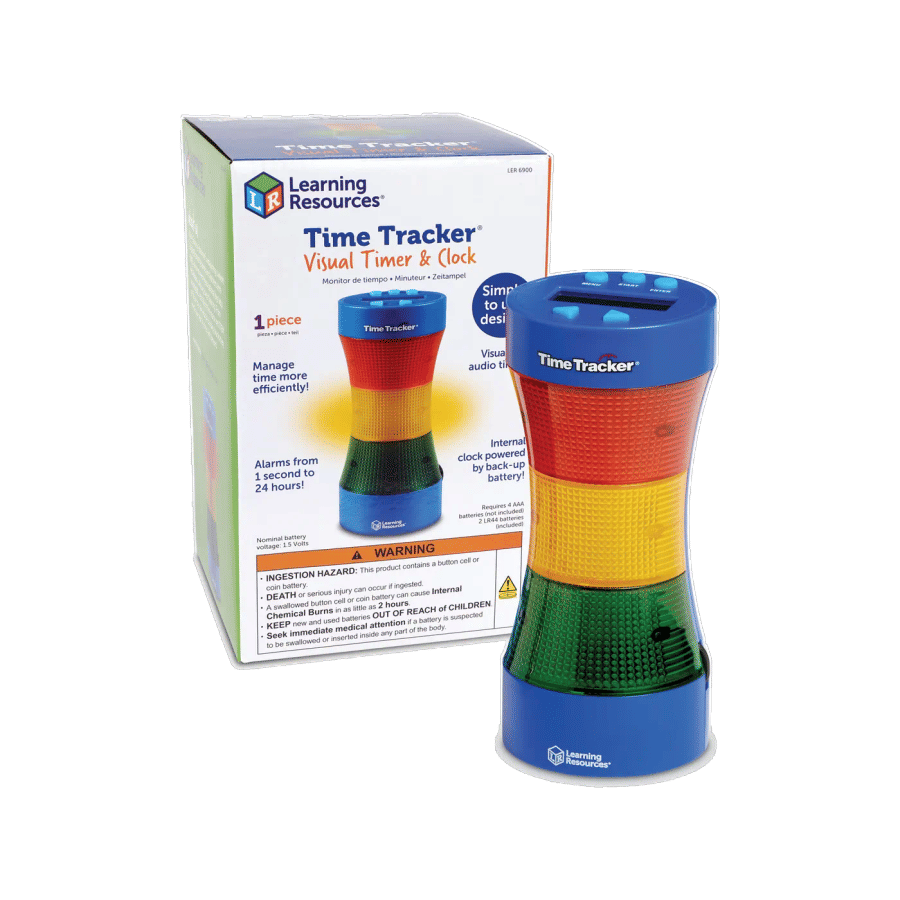
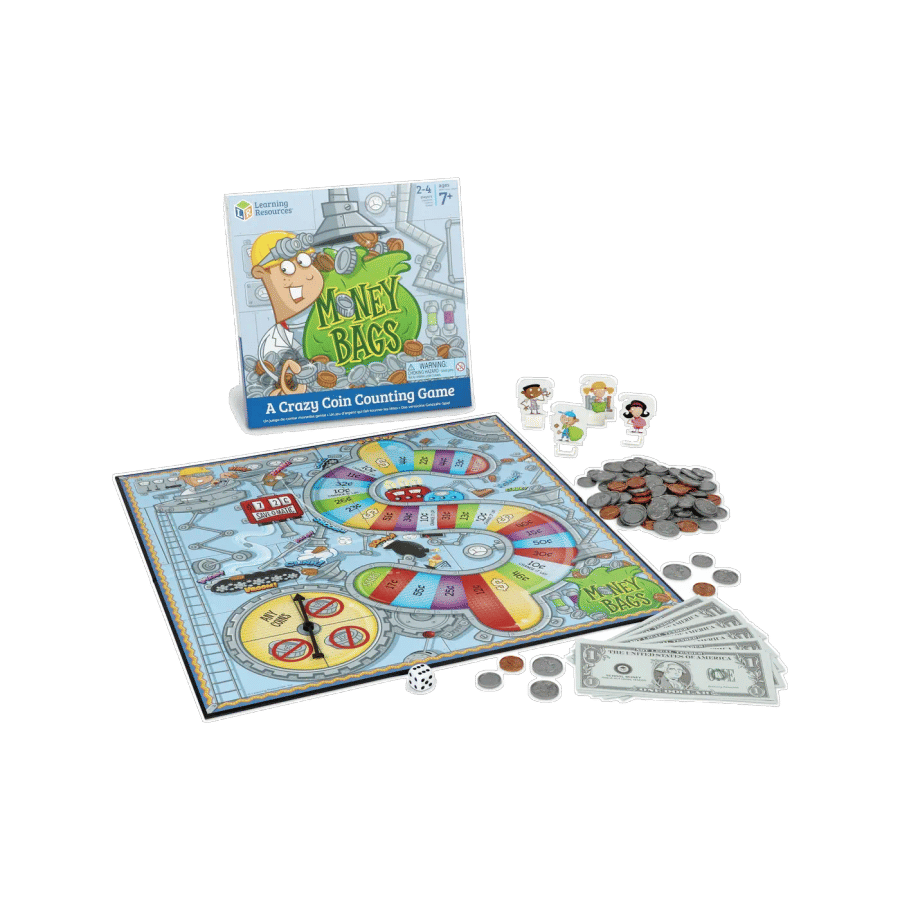
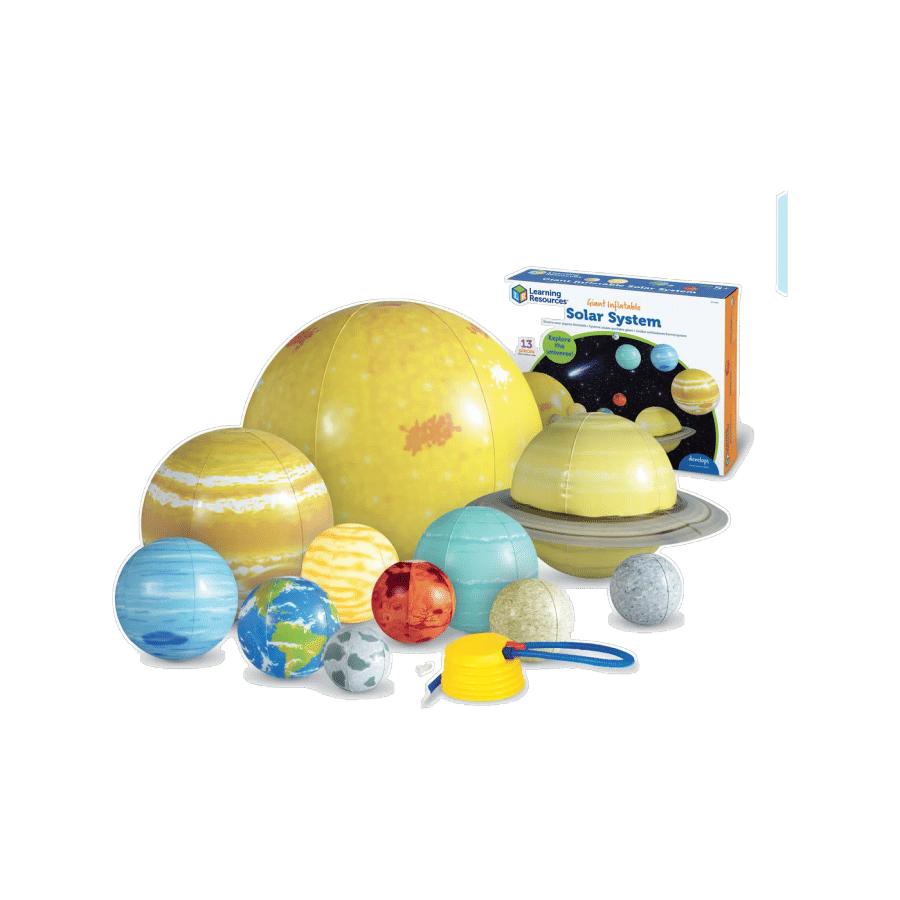
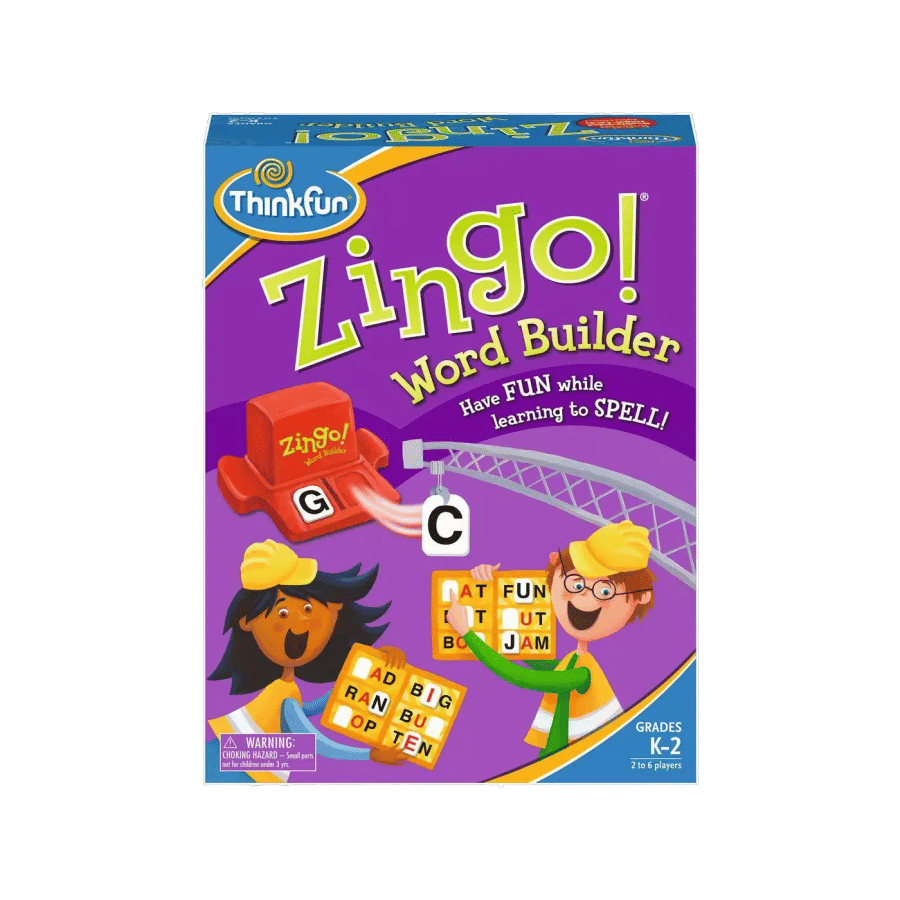
76 toys for 8-12 years
Tweens can sustain long projects, debug failures, and care about craft quality. Maker and STEM kits build technical confidence. Complex games teach systems thinking. Social play shifts toward shared challenges—co-op games, clubs, and builds with friends—more than parallel toddler play.
Lead with their interests—space, coding, design, chemistry—then pick the serious version of that hobby. Check safety for chemicals, soldering, or sharp tools and whether supervision is required. Prefer kits with clear skill progression over collectible fluff.
Gimmick gadgets with no reusable skill path. “Educational” toys that are mostly licensed characters with thin mechanics. Anything that needs constant microtransactions to stay interesting.
Advanced STEM and maker kits, complex construction or model systems, and strategy games with depth. They use what feels like a real hobby, not a toy aisle leftover.
Check photos of finished builds, reading level of instructions, and whether the kit is marketed to teens or adults as well. If packaging is cartoon-heavy and the build is trivial, skip it.
Light help for safety or first setup is fine. If the adult must run every step, the kit will not build independence—the main benefit at this age.
Deeper how-to-choose notes that overlap this age band.
Jump to a neighboring stage, or see all ages.